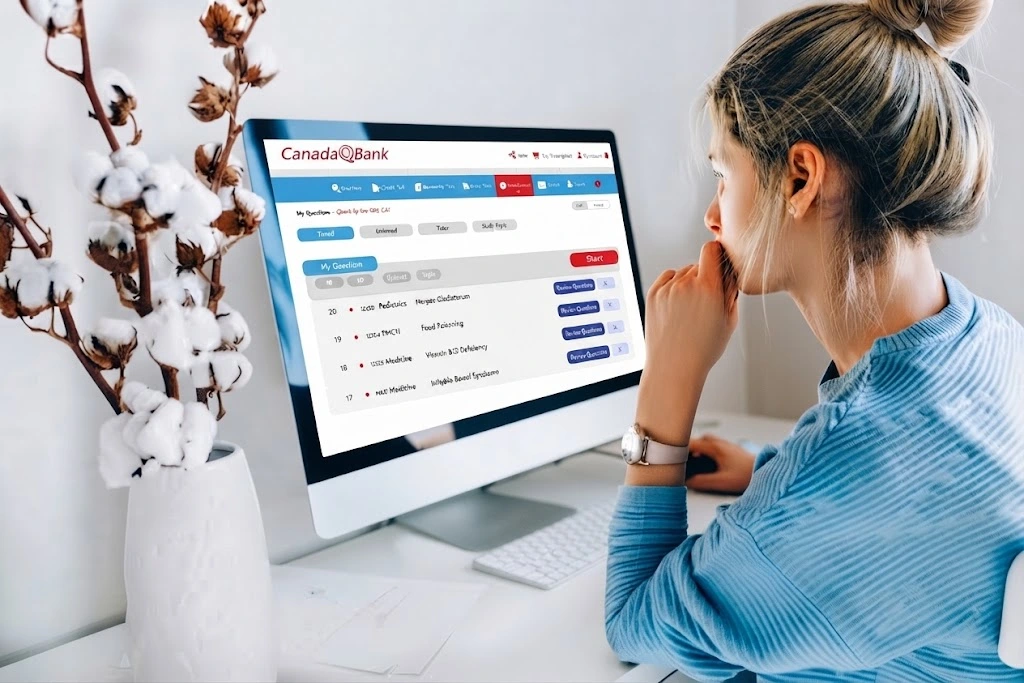
SMLE vs USMLE: Key Differences for International Doctors

SMLE vs USMLE: Key Differences for International Doctors

For international medical graduates (IMGs), choosing the right licensing examination is one of the most important decisions in their medical career. Two of the most recognized licensing exams are the Saudi Medical Licensing Examination (SMLE) and the United States Medical Licensing Examination (USMLE). Both exams are designed to assess a physician’s competence and readiness for clinical practice, but they serve different healthcare systems, licensing pathways, and career goals.

If you’re considering practicing medicine in Saudi Arabia or the United States, understanding the differences between SMLE vs USMLE can help you make an informed decision and prepare effectively for your future.

In this comprehensive guide, we’ll compare the SMLE and USMLE in terms of eligibility, exam structure, difficulty, costs, career opportunities, preparation strategies, and more.

What Is the SMLE?

The Saudi Medical Licensing Examination (SMLE) is administered by the Saudi Commission for Health Specialties (SCFHS) and is required for physicians who wish to practice medicine in Saudi Arabia.

The exam evaluates whether candidates possess the medical knowledge and clinical judgment necessary to provide safe patient care within the Saudi healthcare system.

The SMLE is commonly taken by:

  • Saudi medical graduates
  • International medical graduates seeking employment in Saudi Arabia
  • Physicians applying for residency training programs in Saudi Arabia

Passing the SMLE is a mandatory requirement for obtaining a professional license to practice medicine in the Kingdom of Saudi Arabia.

What Is the USMLE?

The United States Medical Licensing Examination (USMLE) is a three-step examination program used to assess a physician’s ability to practice medicine in the United States.

The exam is jointly sponsored by:

  • Federation of State Medical Boards (FSMB)
  • National Board of Medical Examiners (NBME)

The USMLE pathway is required for:

  • U.S. medical graduates
  • International medical graduates pursuing residency in the United States
  • Physicians seeking medical licensure in the U.S.

The USMLE evaluates a physician’s understanding of medical sciences, clinical knowledge, patient care, and readiness for independent medical practice.

SMLE vs USMLE: Quick Comparison

FeatureSMLEUSMLE
CountrySaudi ArabiaUnited States
Governing BodySCFHSFSMB & NBME
Number of ExamsOne main licensing examThree-step examination system
Main PurposeMedical licensure in Saudi ArabiaMedical licensure in the U.S.
Exam FormatMultiple-choice questionsStep 1, Step 2 CK, Step 3
Residency RequirementBased on Saudi programsRequired for U.S. residency matching
Clinical Skills ExamNot currently separateClinical skills integrated into assessments
International RecognitionPrimarily Saudi ArabiaWidely recognized internationally

Eligibility Requirements

SMLE Eligibility

Candidates must generally:

  • Hold a recognized medical degree
  • Complete internship requirements
  • Meet SCFHS credentialing requirements

International medical graduates may need additional document verification through the SCFHS registration process.

USMLE Eligibility

To sit for the USMLE, candidates must:

  • Be enrolled in or graduated from a recognized medical school
  • Meet ECFMG requirements (for international graduates)
  • Complete application procedures through the official USMLE system

International candidates must obtain ECFMG certification before entering U.S. residency training programs.

Exam Structure: SMLE vs USMLE

SMLE Format

The SMLE consists of a computer-based examination featuring multiple-choice questions that assess:

  • Internal medicine
  • Surgery
  • Pediatrics
  • Obstetrics and gynecology
  • Emergency medicine
  • Family medicine
  • Ethics and professionalism

Questions focus on clinical application and practical decision-making.

The exam is designed to evaluate competencies expected from a newly qualified physician.

USMLE Format

Step 1

Step 1 assesses foundational medical sciences including:

  • Anatomy
  • Physiology
  • Biochemistry
  • Pharmacology
  • Pathology
  • Microbiology

The exam is now reported as Pass/Fail.

Step 2 CK

Step 2 Clinical Knowledge evaluates:

  • Internal medicine
  • Surgery
  • Pediatrics
  • Obstetrics and gynecology
  • Psychiatry
  • Preventive medicine

Candidates receive a numerical score.

Step 3

Step 3 focuses on:

  • Independent patient management
  • Clinical decision-making
  • Emergency care
  • Preventive medicine

Step 3 is usually taken during residency training.

Which Exam Is More Difficult?

Difficulty is subjective and depends on a candidate’s background, preparation, and career goals.

Why Some Candidates Find USMLE More Challenging

The USMLE pathway is longer and more comprehensive.

Candidates must:

  • Pass multiple examinations
  • Compete for residency positions
  • Achieve strong Step 2 CK scores
  • Demonstrate research and clinical experience

The competitive nature of U.S. residency matching adds another layer of difficulty.

Why Some Candidates Find SMLE Challenging

Although SMLE involves a single licensing examination, it still covers a broad medical curriculum.

Challenges include:

  • Large content volume
  • Time management
  • Clinical reasoning requirements
  • Competition for residency positions in Saudi Arabia

Candidates who underestimate the exam often struggle despite its shorter licensing pathway.

Exam Costs

SMLE Costs

SMLE costs are generally lower than the total expenses associated with the USMLE pathway.

Candidates typically pay for:

  • Examination fees
  • SCFHS registration
  • Credential verification

The overall financial investment is relatively affordable compared to U.S. licensing.

USMLE Costs

The USMLE pathway can be expensive, particularly for international medical graduates.

Costs may include:

  • Step 1 registration
  • Step 2 CK registration
  • ECFMG certification
  • Travel expenses
  • Residency applications
  • Interview costs

The total investment often reaches several thousand dollars.

Residency Opportunities

Residency in Saudi Arabia

After passing the SMLE, candidates may apply for residency programs administered through the Saudi Commission for Health Specialties.

Popular specialties include:

  • Internal medicine
  • Surgery
  • Pediatrics
  • Family medicine
  • Emergency medicine

Residency positions are competitive, particularly in major cities.

Residency in the United States

Passing USMLE exams allows candidates to participate in the National Resident Matching Program (NRMP).

The U.S. offers:

  • Extensive specialty options
  • Advanced training opportunities
  • Research-focused programs
  • Internationally respected residency training

However, residency matching can be highly competitive, especially for international graduates.

Career Opportunities After SMLE

Physicians who successfully pass the SMLE can pursue a variety of career opportunities within Saudi Arabia’s healthcare sector, including:

Government Hospitals

Saudi Arabia’s public healthcare system employs thousands of physicians across primary, secondary, and tertiary care facilities.

Private Hospitals

Major private healthcare networks continue to expand throughout the Kingdom, creating strong demand for qualified medical professionals.

Specialized Medical Centers

Physicians can work in advanced specialty and tertiary-care centers that provide highly specialized medical services.

Academic Institutions

Qualified physicians may pursue careers in medical education, research, and academic leadership at universities and teaching hospitals.

Career Opportunities After USMLE

Passing the USMLE provides access to career opportunities within one of the world’s largest and most advanced healthcare systems.

Clinical Practice

Practice as a licensed physician across a wide range of medical and surgical specialties after completing residency training.

Academic Medicine

Contribute to medical education, clinical research, and innovation through university-affiliated hospitals and academic institutions.

Subspecialty Fellowships

Pursue advanced fellowship training in highly specialized areas of medicine and surgery.

International Career Mobility

U.S. residency training and clinical experience are widely respected and can enhance career opportunities in many countries around the world.

Which Exam Should International Doctors Choose?

The answer depends on your long-term career goals.

Choose SMLE If:

  • You plan to practice in Saudi Arabia.
  • You want a shorter licensing pathway.
  • You are interested in Middle Eastern healthcare opportunities.
  • You prefer a more direct route to licensure.

Choose USMLE If:

  • You want to practice in the United States.
  • You seek access to highly competitive residency programs.
  • You are interested in advanced research opportunities.
  • You want broader international recognition.

Neither exam is inherently better. The right choice depends entirely on where you envision your future medical career.

Best Preparation Strategies for SMLE and USMLE

Regardless of which exam you choose, success requires a structured preparation plan.

Focus on High-Yield Topics

Prioritize commonly tested areas such as:

  • Internal medicine
  • Emergency medicine
  • Pediatrics
  • Pharmacology
  • Ethics

High-yield topics frequently appear on both exams.

Practice Questions Daily

Question-based learning remains one of the most effective preparation methods.

Benefits include:

  • Improved clinical reasoning
  • Better time management
  • Identification of weak areas
  • Increased confidence

Take Mock Exams

Practice exams simulate real testing conditions and help candidates assess readiness.

Regular self-assessment allows you to adjust your study strategy before exam day.

Use Reliable Study Resources

Choosing quality resources is essential.

A well-designed question bank can significantly improve retention and performance by exposing candidates to realistic exam scenarios.

How CanadaQBank Can Help

Whether you’re preparing for the SMLE, USMLE, MCCQE1, PLAB, or other international medical licensing exams, effective question practice is critical for success.

CanadaQBank provides comprehensive exam preparation resources that help candidates:

  • Master high-yield concepts
  • Improve clinical decision-making
  • Build exam confidence
  • Track performance and progress
  • Practice with realistic exam-style questions

By combining structured study with extensive question practice, candidates can improve their chances of passing on the first attempt and achieving their professional goals.

Conclusion

When comparing SMLE vs USMLE, it’s important to understand that each examination serves a different purpose and healthcare system. The SMLE provides a pathway to medical practice in Saudi Arabia, while the USMLE is the gateway to residency training and licensure in the United States.

The USMLE pathway is generally longer, more expensive, and more competitive, but it offers extensive career opportunities and international recognition. The SMLE provides a more streamlined route to practicing medicine in one of the Middle East’s fastest-growing healthcare sectors.

Ultimately, your decision should align with your long-term career objectives, preferred practice location, and professional aspirations. With proper planning, consistent preparation, and the right study resources, success in either examination is entirely achievable.

What Is the USMLE Step 3 Pass Rate & Passing Score?

What Is the USMLE Step 3 Pass Rate & Passing Score?

For many medical graduates, passing USMLE Step 3 represents the final major milestone in the United States Medical Licensing Examination (USMLE) journey. After years of studying, clinical training, and successfully completing Step 1 and Step 2 CK, Step 3 is the exam that demonstrates your ability to apply medical knowledge independently and safely in an unsupervised clinical setting.

One of the most common questions candidates ask is: What is the Step 3 pass rate, and what score do I need to pass?

Understanding the passing score, pass rate trends, scoring system, and preparation strategies can help you approach the exam with confidence and develop a study plan that maximizes your chances of success.

In this comprehensive guide, we’ll explore everything you need to know about the USMLE Step 3 pass rate and passing score, along with proven preparation tips to help you achieve your goal.

What Is USMLE Step 3?

USMLE Step 3 is the final examination in the USMLE sequence and is designed to assess whether physicians can apply medical knowledge and clinical understanding necessary for the unsupervised practice of medicine.

Unlike Step 1 and Step 2 CK, which focus heavily on foundational sciences and clinical knowledge, Step 3 evaluates how well candidates manage patients across a broad range of clinical situations.

The exam emphasizes:

  • Patient management
  • Clinical decision-making
  • Diagnosis and treatment planning
  • Preventive medicine
  • Emergency care
  • Professional responsibility

Successfully passing Step 3 is often required for obtaining unrestricted medical licensure in the United States.

What Is the USMLE Step 3 Passing Score?

The current passing score for USMLE Step 3 is 200.

The passing standard is established by the USMLE program and is periodically reviewed to ensure it reflects the knowledge and competencies required for safe medical practice.

Candidates who achieve a score of 200 or higher pass the examination.

Those who score below 200 do not pass and must retake the exam according to USMLE eligibility policies.

It is important to understand that the passing score can change in the future if the USMLE program determines that modifications are necessary. Candidates should always verify the latest information through official USMLE announcements.

How Is the Step 3 Score Calculated?

Many candidates assume that Step 3 scoring is simply based on the percentage of questions answered correctly.

In reality, the scoring process is more sophisticated.

USMLE uses statistical methods to ensure fairness across different exam versions. Since some forms may contain slightly more difficult questions than others, scores are adjusted accordingly.

Your final score is based on:

  • Number of correct responses
  • Relative difficulty of questions
  • Performance across exam components

Incorrect answers do not carry negative marking, which means there is no penalty for guessing.

For this reason, candidates should answer every question rather than leaving items blank.

What Is the USMLE Step 3 Pass Rate?

The Step 3 pass rate varies slightly from year to year, but overall, it remains relatively high compared to some other medical licensing examinations.

Recent trends show that first-time test takers generally perform very well.

Approximate pass rates include:

Candidate GroupPass Rate
U.S./Canadian Medical Graduates95%–98%
International Medical Graduates (IMGs)85%–92%
Repeat Test TakersLower than first-time candidates

These figures can fluctuate annually, but they demonstrate that most candidates who reach the Step 3 stage are successful.

The reason for the high pass rate is straightforward: candidates taking Step 3 have already passed Step 1 and Step 2 CK and typically have significant clinical experience.

Why Do Some Candidates Fail Step 3?

Although the pass rate is relatively high, thousands of candidates still fail the exam every year.

Understanding the most common reasons for failure can help you avoid costly mistakes.

1. Underestimating the Exam

One of the biggest mistakes candidates make is assuming Step 3 will be easier because it is the final USMLE exam.

While Step 3 may feel more clinically relevant than earlier exams, it remains challenging and comprehensive.

The exam tests practical decision-making and patient management skills that require dedicated preparation.

2. Weak Time Management

Step 3 is a lengthy two-day examination.

Many candidates struggle with:

  • Maintaining focus
  • Managing fatigue
  • Pacing themselves effectively

Poor time management often leads to unanswered questions and avoidable errors.

3. Inadequate CCS Preparation

The Computer-based Case Simulations (CCS) portion is unique to Step 3.

Some candidates spend months studying multiple-choice questions but neglect CCS practice.

This can significantly impact overall performance.

Success in CCS requires familiarity with:

  • Ordering tests
  • Initiating treatments
  • Monitoring patient progress
  • Responding appropriately to changing clinical situations

4. Relying Solely on Memorization

Step 3 focuses heavily on clinical reasoning.

Candidates who depend exclusively on memorized facts often struggle when confronted with complex patient management scenarios.

The exam rewards application of knowledge rather than simple recall.

What Score Should You Aim For?

Technically, a score of 200 is sufficient to pass.

However, most successful candidates aim for a significantly higher score to provide a comfortable margin of safety.

A practical target score is:

  • 220–230: Comfortable passing range
  • 230–240: Strong performance
  • 240+: Excellent performance

While residency applications typically place greater emphasis on Step 2 CK scores, performing well on Step 3 can still strengthen your professional profile.

Is Step 3 Harder Than Step 2 CK?

This is a common question among candidates.

The answer depends largely on individual strengths and weaknesses.

Why Some Candidates Find Step 3 Easier

Step 3 focuses on practical medicine.

Many residents and practicing physicians find patient management questions more intuitive than memorizing detailed facts.

Clinical experience can make many scenarios feel familiar.

Why Some Candidates Find Step 3 Harder

The two-day format can be exhausting.

Additionally, the CCS component introduces an entirely different testing style that many candidates have never encountered before.

The challenge often comes from endurance rather than content difficulty alone.

Understanding the Step 3 Exam Structure

Knowing what to expect can help reduce anxiety and improve performance.

Day 1: Foundations of Independent Practice (FIP)

Day 1 focuses on:

  • Basic medical sciences
  • Epidemiology
  • Biostatistics
  • Ethics
  • Patient safety
  • Diagnosis and management

This section contains approximately 232 multiple-choice questions.

Day 2: Advanced Clinical Medicine (ACM)

Day 2 includes:

  • Clinical management
  • Prognosis
  • Therapeutic decision-making
  • Preventive care

Candidates also complete multiple Computer-based Case Simulations (CCS).

These simulations assess your ability to manage virtual patients over time.

Proven Strategies to Pass Step 3 on Your First Attempt

Start With a Realistic Study Plan

Most candidates prepare for Step 3 over a period of 6–12 weeks.

Your schedule should include:

  • Daily question practice
  • CCS preparation
  • Weekly assessments
  • Review sessions

Consistency is more effective than last-minute cramming.

Use High-Quality Question Banks

Question banks remain one of the most effective tools for Step 3 preparation.

Benefits include:

  • Exposure to exam-style questions
  • Improved clinical reasoning
  • Identification of weak areas
  • Better time management

A well-designed question bank helps simulate real exam conditions and reinforces key concepts.

Practice CCS Cases Regularly

CCS preparation should begin early.

Develop a structured approach to:

  • Initial patient evaluation
  • Diagnostic testing
  • Treatment planning
  • Follow-up management

The more CCS cases you complete, the more comfortable you’ll become with the simulation format.

Review Biostatistics and Ethics

Many candidates underestimate these topics.

Yet they consistently appear on Step 3 examinations.

Ensure you are comfortable with:

  • Sensitivity and specificity
  • Relative risk
  • Study design
  • Medical ethics
  • Patient safety principles

Take Full-Length Practice Exams

Practice exams help you:

  • Build endurance
  • Improve pacing
  • Reduce test-day anxiety
  • Identify knowledge gaps

Candidates who complete multiple mock exams often perform better on the real test.

How CanadaQBank Can Help You Pass Step 3

Preparing for Step 3 requires more than simply reading textbooks. Success comes from applying knowledge, practicing clinical reasoning, and becoming comfortable with exam-style questions.

This is where CanadaQBank can make a significant difference.

CanadaQBank offers comprehensive medical exam preparation resources designed to help candidates succeed in licensing examinations worldwide. Our platform provides:

  • High-quality Step 3-style practice questions
  • Detailed explanations
  • Realistic exam simulations
  • Performance tracking tools
  • Flexible study options

Whether you’re a U.S. medical graduate or an international medical graduate preparing for Step 3, CanadaQBank can help you identify weaknesses, strengthen clinical decision-making skills, and build the confidence needed to succeed on exam day.

Conclusion

The USMLE Step 3 passing score is currently 200, and the overall pass rate remains high, especially among first-time test takers. However, achieving success requires more than simply meeting the minimum standard.

Candidates who understand the exam structure, practice consistently, prepare thoroughly for CCS cases, and utilize high-quality study resources significantly improve their chances of passing on the first attempt.

While Step 3 may be the final hurdle in the USMLE journey, it is also one of the most important, as it demonstrates your readiness for independent medical practice.

If you’re preparing for Step 3 and want a smarter, more effective way to study, explore CanadaQBank’s comprehensive question banks and exam preparation tools to maximize your performance and approach test day with confidence.

PEBC vs NAPLEX: What’s the Difference?

PEBC vs NAPLEX: What’s the Difference?

For internationally trained pharmacists and pharmacy graduates looking to build a successful career abroad, understanding the licensing requirements in different countries is essential. Two of the most commonly discussed pharmacy licensing examinations are the PEBC Evaluating Examination and the NAPLEX. While both exams assess the competency of pharmacy professionals, they serve different purposes, apply to different countries, and follow distinct examination formats.

If you’re planning to practice pharmacy in Canada or the United States, knowing the differences between PEBC and NAPLEX can help you choose the right pathway and prepare effectively. In this guide, we’ll compare both exams in detail, discuss eligibility requirements, exam structure, career opportunities, and explain how CanadaQBank can help you succeed on your first attempt.

What Is the PEBC?

The Pharmacy Examining Board of Canada (PEBC) is the national certification body responsible for assessing the qualifications and competencies of pharmacists seeking licensure in Canada.

The PEBC certification process is primarily designed for:

  • International Pharmacy Graduates (IPGs)
  • Canadian pharmacy graduates
  • Pharmacists seeking registration in Canadian provinces

Before obtaining a pharmacy license in Canada, candidates typically need to pass several assessment stages administered by PEBC.

PEBC Examination Pathway

For International Pharmacy Graduates, the process usually includes:

1. Document Evaluation

Candidates submit their educational credentials and supporting documents to verify that their pharmacy education meets Canadian standards.

2. PEBC Evaluating Examination

This exam evaluates whether an international graduate’s pharmacy knowledge is equivalent to that of a Canadian pharmacy graduate.

3. PEBC Qualifying Examination

The Qualifying Examination consists of:

  • Part I: Multiple Choice Questions (MCQ)
  • Part II: Objective Structured Clinical Examination (OSCE)

Successful completion demonstrates readiness for pharmacy practice in Canada.

4. Provincial Licensing Requirements

Each province may require:

  • Jurisprudence examinations
  • Language proficiency tests
  • Internship or practical training

What Is the NAPLEX?

The North American Pharmacist Licensure Examination (NAPLEX) is the primary licensing examination for pharmacists in the United States.

The exam is administered by the National Association of Boards of Pharmacy (NABP) and is designed to assess whether a candidate possesses the knowledge and skills required to practice pharmacy safely and effectively.

Unlike PEBC, NAPLEX is generally taken after graduation from an accredited pharmacy program or after completing foreign pharmacy graduate certification requirements.

NAPLEX Examination Pathway

International pharmacists who wish to practice in the United States typically follow this route:

1. Foreign Pharmacy Graduate Equivalency Certification (FPGEC)

Candidates must obtain certification through NABP.

Requirements generally include:

  • Pharmacy degree evaluation
  • English proficiency requirements
  • Passing the Foreign Pharmacy Graduate Equivalency Examination (FPGEE)

2. Internship Hours

Most states require a specific number of supervised internship hours.

3. NAPLEX

Candidates take the NAPLEX to demonstrate competency in pharmacy practice.

4. MPJE or State Law Exam

Many states also require the:

  • Multistate Pharmacy Jurisprudence Examination (MPJE)

or

  • State-specific pharmacy law examination

PEBC vs NAPLEX: Key Differences

Let’s compare both examinations side by side.

FeaturePEBCNAPLEX
CountryCanadaUnited States
Governing BodyPharmacy Examining Board of CanadaNational Association of Boards of Pharmacy
PurposeCertification and licensure in CanadaLicensure in the United States
Target CandidatesCanadian and International Pharmacy GraduatesU.S. and Foreign Pharmacy Graduates
Exam StagesEvaluating Exam + Qualifying ExamNAPLEX after FPGEC or accredited degree
Clinical AssessmentIncludes OSCENo OSCE
FocusKnowledge + Clinical SkillsPharmacy Practice Competency
Additional RequirementsProvincial registration requirementsState board requirements

PEBC Exam Format

The PEBC Evaluating Examination primarily focuses on foundational pharmaceutical sciences and clinical knowledge.

Major Areas Tested

  • Biomedical sciences
  • Pharmaceutical sciences
  • Pharmacology
  • Therapeutics
  • Pharmacy practice
  • Patient care

Question Style

Candidates encounter:

  • Multiple-choice questions
  • Clinical scenarios
  • Therapeutic decision-making questions

The Qualifying Examination further evaluates practical clinical skills through the OSCE component.

This makes PEBC particularly comprehensive because it tests both theoretical knowledge and real-world patient interactions.

NAPLEX Exam Format

NAPLEX focuses heavily on pharmacy practice and patient-centered care.

Areas Covered

  • Pharmacotherapy
  • Medication dispensing
  • Patient safety
  • Pharmacy calculations
  • Drug information
  • Clinical decision-making

Question Types

The NAPLEX includes:

  • Multiple-choice questions
  • Case-based scenarios
  • Select-all-that-apply questions
  • Calculations
  • Clinical application questions

Unlike PEBC, there is no OSCE component.

Instead, NAPLEX emphasizes practical clinical judgment through computer-based scenarios.

Which Exam Is More Difficult?

This is one of the most frequently asked questions among international pharmacists.

The truth is that difficulty depends largely on your educational background and career goals.

PEBC Challenges

Many candidates find PEBC challenging because:

  • It includes multiple stages
  • Clinical skills are tested through OSCE
  • Canadian healthcare standards may differ from their home country
  • Communication skills are heavily assessed

NAPLEX Challenges

Candidates often find NAPLEX demanding because:

  • Questions are highly application-based
  • Clinical decision-making is emphasized
  • Calculations can be extensive
  • Time management is crucial

Both exams require serious preparation and should not be underestimated.

Career Opportunities After PEBC

Passing PEBC opens the door to pharmacy careers throughout Canada.

Potential roles include:

Community Pharmacist

Working in retail pharmacies and providing patient counseling.

Hospital Pharmacist

Managing medication therapy within healthcare institutions.

Clinical Pharmacist

Collaborating with healthcare teams to optimize patient outcomes.

Pharmacy Manager

Overseeing pharmacy operations and staff.

Pharmaceutical Industry Roles

Working in:

  • Drug development
  • Medical affairs
  • Regulatory affairs
  • Pharmacovigilance

Canada continues to experience demand for qualified pharmacists in many provinces, making PEBC certification a valuable investment.

Career Opportunities After NAPLEX

Passing NAPLEX enables pharmacists to pursue careers throughout the United States.

Popular career paths include:

Retail Pharmacy

Working for major pharmacy chains and independent pharmacies.

Hospital Pharmacy

Providing specialized pharmaceutical care.

Ambulatory Care Pharmacy

Managing chronic disease therapies.

Specialty Pharmacy

Supporting patients with complex conditions.

Industry and Research

Opportunities exist in:

  • Clinical research
  • Pharmaceutical companies
  • Drug safety
  • Regulatory affairs

The U.S. pharmacy market offers extensive career flexibility and competitive earning potential.

PEBC or NAPLEX: Which Should You Choose?

Your choice depends entirely on where you intend to practice.

Choose PEBC If:

  • You want to practice in Canada.
  • You plan to immigrate to Canada.
  • You are pursuing Canadian pharmacy licensure.
  • You want opportunities within Canada’s healthcare system.

Choose NAPLEX If:

  • You want to practice in the United States.
  • You intend to pursue state licensure.
  • You are completing the FPGEC pathway.
  • Your long-term career goals are U.S.-based.

Attempting one exam does not automatically qualify you for practice in the other country because each licensing pathway has its own regulatory requirements.

How CanadaQBank Helps You Pass PEBC and Other Licensing Exams

Success in pharmacy licensing examinations depends heavily on preparation quality. Many candidates spend months studying but struggle because they use outdated materials or insufficient practice questions.

At CanadaQBank, we provide comprehensive exam preparation resources designed specifically for healthcare professionals pursuing licensing and certification exams.

Our platform offers:

  • High-quality exam-style questions
  • Detailed answer explanations
  • Realistic practice exams
  • Performance tracking
  • Flexible online access
  • Updated content aligned with current exam standards

Thousands of healthcare professionals worldwide use CanadaQBank to prepare for exams such as:

  • PEBC
  • MCCQE Part I
  • USMLE
  • PLAB
  • AMC
  • SMLE

By practicing with realistic question banks and identifying weak areas early, candidates can build confidence and improve their chances of passing on the first attempt.

Whether you’re preparing for the PEBC Evaluating Examination or planning your broader healthcare licensing journey, CanadaQBank provides the tools needed to study smarter and perform at your best.

Final Thoughts

Both PEBC and NAPLEX play critical roles in ensuring pharmacists meet the professional standards required for safe patient care. While the PEBC pathway is designed for pharmacy licensure in Canada and includes both knowledge and clinical skills assessments, NAPLEX focuses on evaluating pharmacy practice competency for licensure in the United States.

Understanding the differences between these examinations can help you make informed career decisions and develop an effective preparation strategy. Regardless of which path you choose, success depends on consistent study, comprehensive practice, and access to high-quality preparation resources.

For aspiring pharmacists seeking exam success, CanadaQBank remains a trusted partner in helping candidates prepare with confidence and achieve their professional goals.

Top 3 Tips for MCCQE1 Exam Preparation in 2026

Top 3 Tips for MCCQE1 Exam Preparation in 2026

Preparing for the Medical Council of Canada Qualifying Examination Part 1 (MCCQE1) can feel overwhelming at first. The exam tests not only your medical knowledge but also your ability to apply clinical reasoning, prioritize patient safety, and make decisions under pressure. With the updated MCCQE1 format now focused entirely on multiple-choice questions (MCQs), students must approach preparation differently than in previous years.

The good news is that passing the MCCQE1 is absolutely achievable with the right strategy. Most candidates who struggle are not lacking intelligence or medical knowledge — they simply use inefficient study methods, poor resources, or inconsistent practice habits.

If you are preparing for the MCCQE1 in 2026, these are the three most important tips that can dramatically improve your performance and increase your chances of success.

Why the MCCQE1 Requires a Different Study Approach

Before diving into the tips, it’s important to understand what makes the MCCQE1 unique.

The exam is designed to assess whether you are ready to enter supervised clinical practice in Canada. It evaluates:

  • Clinical reasoning
  • Diagnostic skills
  • Evidence-based management
  • Preventive medicine
  • Ethics and professionalism
  • Patient-centered care

Unlike traditional university exams, the MCCQE1 is not about memorizing textbooks word-for-word. It focuses on how well you can apply knowledge in realistic clinical scenarios.

Because of this, your preparation should focus heavily on:

  • Question-based learning
  • Clinical decision-making
  • Time management
  • Pattern recognition
  • Active recall

Now let’s discuss the three best preparation tips that consistently help candidates succeed.

Tip #1: Focus on Question-Based Learning Early

One of the biggest mistakes candidates make is spending months reading textbooks before attempting practice questions.

For the MCCQE1, this approach is ineffective.

The exam is heavily application-based, meaning you must train your brain to think clinically under timed conditions. The earlier you begin solving MCCQE1-style questions, the better your performance will become.

Why Practice Questions Matter

High-quality practice questions help you:

  • Understand the MCCQE1 exam style
  • Learn clinical reasoning
  • Identify weak areas
  • Improve retention
  • Build speed and accuracy
  • Develop test-taking confidence

Every question you solve teaches you how the MCC thinks.

Instead of memorizing isolated facts, you begin recognizing patterns in:

  • Diagnosis
  • Investigations
  • Management plans
  • Emergency care
  • Preventive medicine

This is exactly what the real exam tests.

Use a High-Quality MCCQE1 Question Bank

Your question bank is arguably the most important resource during preparation.

A good QBank should include:

  • Realistic clinical scenarios
  • Detailed explanations
  • Updated Canadian guidelines
  • Performance analytics
  • Timed and tutor modes
  • Large question volume

Why CanadaQBank Is Highly Recommended

CanadaQBank remains one of the most trusted resources for MCCQE1 preparation because it closely reflects the current exam style.

Some key advantages include:

  • Thousands of high-yield MCCQE1 MCQs
  • Questions aligned with Canadian clinical guidelines
  • Detailed explanations for every answer
  • Timed practice exams
  • Performance tracking by topic
  • Realistic exam simulations

The platform helps students transition from passive reading to active clinical reasoning — which is exactly what the MCCQE1 demands.

Practical Strategy for Question Practice

A smart approach is to divide your preparation into stages.

Early Preparation

  • Use tutor mode
  • Focus on understanding explanations
  • Practice slowly without time pressure

Mid Preparation

  • Increase question volume daily
  • Begin timed sessions
  • Mix different specialties

Final Preparation

  • Simulate full-length exams
  • Focus on weak areas
  • Improve speed and endurance

A candidate who consistently practices questions over several months will almost always outperform someone who only reads theory.

Tip #2: Master Time Management and Exam Strategy

The updated MCCQE1 format is shorter than before, but the time pressure remains significant.

Many students know the material but fail because they:

  • Spend too long on difficult questions
  • Panic during lengthy clinical scenarios
  • Overthink answers
  • Run out of time

Strong time management is essential.

Learn to Think Like the MCC

The MCCQE1 is designed around:

  • Patient safety
  • Evidence-based care
  • Canadian clinical standards

When answering questions, always ask yourself:

“What is the safest and most appropriate next step?”

Often, multiple answers may appear correct, but only one aligns best with Canadian guidelines and patient-centered care.

Use the “Last Sentence First” Technique

One highly effective strategy is reading the final sentence of the question before reading the entire case.

This helps you immediately identify:

  • What the question is asking
  • Whether it focuses on diagnosis, investigation, or management
  • Which clinical clues matter most

You then read the scenario with a clear purpose instead of getting overwhelmed by unnecessary details.

Don’t Get Stuck on Difficult Questions

A common mistake is spending 4–5 minutes trying to solve one difficult question.

This is dangerous.

Instead:

  • Answer confidently when possible
  • Flag difficult questions
  • Return later if time permits

Remember:
Every question carries value.

Missing easy questions because you spent too much time on a hard one can significantly hurt your final score.

Practice Under Real Exam Conditions

Timed practice is critical.

At least 6–8 weeks before your exam:

  • Start doing timed blocks daily
  • Simulate real testing conditions
  • Avoid distractions
  • Build mental endurance

The MCCQE1 is as much a mental stamina exam as it is a medical knowledge exam.

Practicing full-length sessions helps:

  • Reduce anxiety
  • Improve concentration
  • Increase speed
  • Build confidence

Tip #3: Prioritize Weak Areas and High-Yield Topics

Not all subjects contribute equally to exam success.

Some topics appear repeatedly and carry significant weight.

At the same time, ignoring weak subjects is one of the fastest ways to fail.

Successful candidates continuously identify and improve weak areas throughout preparation.

High-Yield MCCQE1 Topics in 2026

While the exam covers broad medical knowledge, some areas are consistently emphasized:

Internal Medicine

  • Cardiology
  • Endocrinology
  • Infectious disease
  • Respiratory medicine

Emergency Medicine

  • Shock
  • Chest pain
  • Stroke
  • Trauma
  • Sepsis

Pediatrics

  • Developmental milestones
  • Vaccinations
  • Pediatric emergencies

Obstetrics & Gynecology

  • Prenatal care
  • Contraception
  • Postpartum complications

Psychiatry

  • Depression
  • Anxiety
  • Suicide risk assessment
  • Substance use

Ethics & Professionalism

  • Consent
  • Capacity
  • Confidentiality
  • End-of-life care

Track Your Weaknesses

After every practice session, review:

  • Incorrect answers
  • Topics you guessed on
  • Areas where you lack confidence

Keep a notebook or digital document of:

  • Repeated mistakes
  • Important guidelines
  • Clinical pearls

This creates a personalized revision system focused on your weaknesses instead of wasting time reviewing material you already know.

Use Active Recall and Spaced Repetition

Passive reading is inefficient.

Instead, use:

  • Flashcards
  • Self-testing
  • Practice questions
  • Recall exercises

Spaced repetition helps move information into long-term memory, which is essential for retaining large amounts of medical knowledge.

Bonus Tip: Protect Your Mental and Physical Health

Burnout is extremely common during MCCQE1 preparation.

Many candidates underestimate how much:

  • Sleep
  • Exercise
  • Stress management
  • Nutrition

affect cognitive performance.

Studying 14 hours daily while exhausted is less effective than focused, high-quality study sessions with proper rest.

Healthy Habits That Improve Performance

Sleep Properly

Aim for 7–8 hours daily.

Sleep improves:

  • Memory consolidation
  • Focus
  • Clinical reasoning

Exercise Regularly

Even 20–30 minutes daily improves concentration and stress levels.

Take Breaks

Short breaks improve long-term productivity.

Avoid Comparing Yourself to Others

Every candidate progresses differently.

Focus on consistency instead of perfection.

Final Thoughts

Preparing for the MCCQE1 in 2026 requires more than just medical knowledge. Success depends on strategy, consistency, and smart preparation habits.

The three most important tips are simple but powerful:

  1. Start question-based learning early
  2. Master time management and exam strategy
  3. Continuously improve weak areas while focusing on high-yield topics

The candidates who succeed are usually not the ones who study the longest — they are the ones who study most effectively.

Using a trusted resource like CanadaQBank can significantly improve your preparation by giving you access to realistic MCCQE1-style questions, detailed explanations, performance tracking, and exam simulations tailored to the latest exam format.

With the right plan, disciplined practice, and the proper resources, passing the MCCQE1 on your first attempt is completely achievable.

How to Pass PLAB 1 on the First Attempt: A Complete 2026 Guide

How to Pass PLAB 1 on the First Attempt: A Complete 2026 Guide

Passing the Professional and Linguistic Assessments Board Part 1 (PLAB 1) on your first attempt is absolutely possible, but only if you prepare with the right mindset from the beginning. Too many candidates walk into this exam believing it is purely a test of memory. It is not. PLAB 1 is designed by the General Medical Council (GMC) to assess whether you can practise safely and sensibly as a junior doctor in the UK healthcare system.

Every year, thousands of international medical graduates (IMGs) fail PLAB 1, not because they lack medical knowledge, but because they underestimate the exam’s structure, pacing, and emphasis on UK-based clinical reasoning. The exam rewards practical judgement, safe decision-making, and familiarity with NHS-style management. Candidates who rely entirely on memorisation often struggle, while those who understand the “PLAB mindset” usually perform much better.

The good news is that PLAB 1 is very passable when approached strategically. With the right resources, a disciplined study routine, and consistent question practice, you can significantly improve your chances of passing on the first attempt.

This guide will walk you through exactly how to prepare effectively, avoid common mistakes, and approach the exam with confidence.

Understanding the PLAB 1 Exam Format

PLAB 1 is a three-hour computer-based exam consisting of 180 single-best-answer (SBA) questions. Each question presents a clinical scenario followed by five possible answers, with only one being the most appropriate option.

The exam covers all major clinical areas expected of an FY2-level doctor, including:

  • Medicine
  • Surgery
  • Paediatrics
  • Obstetrics and gynaecology
  • Psychiatry
  • Emergency medicine
  • Ethics and communication skills

Unlike many traditional medical exams, PLAB 1 focuses less on recalling isolated facts and more on applying clinical judgement in realistic NHS scenarios.

The GMC wants to know whether you can:

  • Identify dangerous conditions early
  • Manage patients safely
  • Follow NICE guidelines appropriately
  • Communicate professionally and ethically
  • Practise cost-effective medicine

Understanding this from the start changes how you prepare. Instead of trying to memorise entire textbooks, your goal becomes learning how to apply the right clinical decision at the right moment.

1. Use High-Yield Resources and Avoid Resource Overload

One of the biggest mistakes PLAB candidates make is trying to study from too many sources at once. Using multiple question banks, endless PDFs, and several textbooks often creates confusion rather than improvement.

PLAB 1 preparation works best when your resources are focused, consistent, and high yield.

You do not need twenty different materials. You need a few reliable resources that you use properly over time.

CanadaQBank

CanadaQBank is one of the most commonly recommended PLAB 1 question banks for good reason. Its questions closely mirror the style and difficulty level of the actual exam, while the explanations remain concise and clinically relevant.

It is particularly useful for:

  • Improving clinical reasoning
  • Learning NHS-style management
  • Understanding emergency scenarios
  • Revising NICE-based decision-making
  • Building exam stamina through repeated practice

Candidates who actively review explanations instead of rushing through questions usually benefit the most.

PLAB Recall Questions

Recall questions are memory-based questions shared by previous candidates after the exam. While they are not official materials, they are extremely useful for recognising recurring themes and commonly tested clinical situations.

Recalls are best used during the final revision phase rather than as your primary learning source.

NICE Guidelines

You are not expected to memorise every NICE guideline from beginning to end. However, certain guidelines appear repeatedly in PLAB 1 and deserve focused attention.

Commonly tested areas include:

  • Chest pain
  • Asthma and COPD
  • Stroke and transient ischaemic attack
  • Diabetes management
  • Hypertension
  • Contraception
  • Antenatal care
  • Mental health emergencies

Focus on understanding the general management principles rather than memorising every detail.

Oxford Handbook of Clinical Medicine (OHCM)

The OHCM is especially useful if your clinical foundation feels weak or if you graduated several years ago. It helps reinforce core concepts without overwhelming detail.

2. Create a Structured Study Plan

Consistency matters far more than occasional intense studying. PLAB 1 rewards gradual improvement over time, not last-minute cramming.

A well-structured study plan helps you stay organised, monitor progress, and avoid burnout.

Phase 1: Foundation Building (Weeks 1–4)

During this stage:

  • Read concise notes on commonly tested topics
  • Practise 20–60 questions daily
  • Familiarise yourself with PLAB-style question patterns
  • Start learning key UK guidelines

This phase is about understanding the exam style and building clinical reasoning habits.

Phase 2: Intensive Question Practice (Weeks 5–8)

This is where your score improves the most.

During this phase:

  • Solve 90–180 questions daily
  • Review explanations carefully
  • Create short notes from mistakes
  • Monitor performance across specialties
  • Focus heavily on weak areas

Do not simply aim to finish questions quickly. Proper review is where real learning happens.

Phase 3: Final Revision and Mock Exams (Last 2–4 Weeks)

The final phase should focus on reinforcement, not information overload.

Key priorities include:

  • Full-length mock exams under timed conditions
  • Recall question revision
  • Reviewing weak topics repeatedly
  • Strengthening emergency medicine and ethics
  • Improving pacing and concentration

Avoid trying to learn entirely new subjects at this stage.

3. Learn the “PLAB Way” of Thinking

One of the hardest adjustments for many IMGs is understanding that PLAB reflects UK medical practice, not necessarily the healthcare systems they trained in.

Many candidates fail because they choose answers that sound medically reasonable but are not aligned with NHS practice.

Important PLAB Principles

■ Prioritise Patient Safety

If unsure, choose the safest reasonable option.

■ Avoid Unnecessary Investigations

PLAB follows NHS principles of cost-effective care. Ordering excessive tests is often incorrect.

■ Think About Primary Care

Many conditions are initially managed conservatively in the community before referral.

■ Follow NICE and GMC Standards

Some questions test professionalism and ethics more than medical knowledge.

■ Stabilise Emergencies First

In emergency scenarios, ABC management principles frequently guide the correct answer.

The earlier you understand these principles, the easier PLAB questions become.

4. Develop a Reliable Question-Solving Strategy

PLAB 1 is not only a knowledge exam. It is also a time-management exam.

You have 180 questions in 180 minutes, which means you cannot afford to overthink every scenario.

A Practical Step-by-Step Approach

Read the Last Line First

Before reading the full question, identify what the examiner is asking.

Is the question asking for:

  • Diagnosis?
  • Investigation?
  • Initial management?
  • Long-term treatment?
  • Ethical action?

This immediately improves focus.

Identify Key Clues

Look carefully for:

  • Age
  • Vital signs
  • Red flags
  • Medication history
  • Symptom timeline
  • Important risk factors

Eliminate Unsafe Answers

Wrong options are often clearly dangerous, unnecessary, or inconsistent with UK guidelines.

Choose the Best Next Step

PLAB commonly asks for the most appropriate immediate action, not the perfect final outcome.

Avoid making straightforward questions unnecessarily complicated.

5. Review Your Mistakes Properly

Strong PLAB candidates treat every mistake as a learning opportunity.

Simply completing thousands of questions without reviewing incorrect answers carefully will slow your progress.

When reviewing mistakes, ask yourself:

  • Did I misunderstand the concept?
  • Did I miss a key clue?
  • Was this a guideline issue?
  • Did I rush the question?
  • Did I confuse two similar diagnoses?

Write down short, focused notes and revisit them regularly. This process improves retention far more effectively than passive reading.

6. Use Recall Questions Strategically

PLAB 1 frequently repeats themes because NHS clinical practice remains relatively stable over time.

Recall questions can help you:

  • Recognise recurring patterns
  • Identify high-yield topics
  • Improve exam confidence
  • Refine timing and technique

However, avoid memorising recall answers blindly. The real exam tests understanding, not pattern recognition alone.

Always understand why an answer is correct.

7. Strengthen Weak Subjects Early

Many candidates focus only on subjects they already enjoy or perform well in. This creates dangerous score imbalances.

Passing PLAB requires reasonably balanced performance across all specialties.

Early in your preparation:

  • Identify weak subjects honestly
  • Spend additional time reviewing them
  • Track your scores regularly
  • Prioritise specialties scoring below 60–70%

The goal is not perfection. The goal is preventing weak areas from dragging down your final score.

8. Build Stamina Through Mock Exams

PLAB 1 requires sustained concentration for three straight hours.

Without proper stamina training, even strong candidates begin making careless mistakes midway through the exam.

Full-length mock exams help you:

  • Improve pacing
  • Build concentration
  • Simulate real exam pressure
  • Strengthen mental endurance
  • Identify timing issues early

Aim to complete at least four to six full mocks before exam day.

Most candidates who consistently score around 70–80% on mocks are usually in a strong position to pass the actual exam.

9. Protect Your Physical and Mental Health

Many candidates underestimate how strongly sleep, stress, and fatigue affect exam performance.

Poor concentration and burnout can easily reduce your accuracy during long exams like PLAB 1.

Before the Exam

  • Avoid panic revision
  • Do not study heavily the night before
  • Sleep for at least 7–8 hours
  • Eat balanced meals
  • Keep stress manageable

During the Exam

  • Maintain a steady pace
  • Avoid spending excessive time on difficult questions
  • Flag uncertain questions for review later
  • Use slow breathing to stay calm under pressure

A calm, focused candidate almost always performs better than an exhausted one.

10. Know What to Expect on Exam Day

Reducing uncertainty before the exam helps improve confidence and concentration.

Before exam day, make sure you know:

  • Your test centre location
  • Required identification documents
  • Check-in procedures
  • The computer interface layout
  • Time warning alerts
  • How the mark-for-review system works

Small logistical details can make a surprisingly big difference to your stress levels on the day.

Conclusion

Passing PLAB 1 on your first attempt is completely achievable with the right preparation strategy. You do not need to memorise every medical fact or spend months buried in endless resources.

Success comes from:

  • Smart preparation
  • Consistent question practice
  • Understanding UK clinical reasoning
  • Learning from mistakes
  • Following NICE-based management
  • Staying disciplined and calm under pressure

Most importantly, PLAB rewards candidates who think like safe NHS doctors.

If you prepare strategically, remain consistent, and focus on high-yield learning, there is every reason you can pass PLAB 1 on your first attempt.

Just Got Your USMLE Step 1 Score? Here’s What to Do Next!

Just Got Your USMLE Step 1 Score? Here’s What to Do Next!

Writing the USMLE Step 1 exam is no easy feat. It demands months of preparation, intense study sessions, and the mental stamina to relearn basic concepts taught during the first years of your medical journey. With that said, we truly congratulate you on crossing this major milestone.

For months, you poured over textbooks, drilled CanadaQBank questions, and probably spent countless nights wondering what your outcome might mean for your future. Now, the wait is finally over. You have your result.

Whether your reaction was relief, excitement, or disappointment, here’s what you need to remember: Step 1 is not the end of the road. It is simply one milestone in your longer medical journey. Whether you passed or failed, what you do in the next few weeks will set the trajectory for the rest of your exam journey.

Below is a clear guide on how to respond to your score and move forward confidently toward your next goal.

When and How You’ll Get Your Result

First, let’s make sure you understand what to expect.

  • Timing: Official reports are typically available within four weeks of your exam day. Many students receive their notification 2–3 weeks after testing.

  • Release day: Results are generally released on a Wednesday around mid-morning in U.S. time zones.

  • Delays: Occasionally, results may be delayed due to national holidays or administrative issues. On rare occasions, results have taken up to 8 weeks.

  • Email notification: Before your result is released, you should receive an email from the NBME informing you that your result is pending. Within 24 hours, you will receive another email with instructions on how to access your report.

  • Important: Download and save your report immediately. It is stored online for only about one year.

Understanding Your Step 1 Report (Pass/Fail Era)

Since Step 1 transitioned to a Pass/Fail format in January 2022, the weight it once carried in residency selection has shifted. Programs no longer see a numerical score — only whether you passed or failed.

  • If you passed: Your report will simply state “Pass.” No numeric score is shown. The report will also indicate which subject areas your specific exam emphasized (e.g., cardiology, gastrointestinal).

  • If you failed: Your report will typically include performance comparison charts against peers and show the minimum passing threshold (a pass score of 196).

If You Passed: Pause and Plan

Passing Step 1 is a genuine achievement. Do not rush past it.

Step 1: Celebrate

Take real time to decompress. You have cleared one of the most challenging academic hurdles in medicine. Passing means you have demonstrated competence in the foundational sciences that underpin clinical practice. This is the direct result of your months of hard work and discipline.

Step 2: Reflect

After celebrating, reflect on the choices you made during preparation. Ask yourself:

  • Which study techniques worked best?

  • What test-day strategies were most effective?

  • Which subject areas still felt shaky?

This honest reflection will help you fine-tune your approach for Step 2 CK.

Step 3: Plan Your Next Move

Depending on where you are in medical school, you will return to coursework, clinical rotations, or begin preparing directly for Step 2 CK.

A critical note: Because Step 1 no longer provides a score, Step 2 CK is now the primary objective metric in many residency application decisions. Ideally, you should aim to take Step 2 CK after completing your core clinical rotations and before your application deadlines. Many students plan their exam so the result is available when they submit residency applications.

If You Failed: Recover Strategically

Seeing “Fail” on your report is disappointing — there is no denying that. But it is not the end of your career.

Many successful physicians have failed an exam at some point. What matters most now is how you respond.

Step 1: Contact Your Medical School (If Applicable)

If you wrote the exam under an institution, contact your medical school immediately. Policies vary:

  • Some schools require you to retake within a specific period.

  • Others offer formal remediation support.

Step 2: Analyze What Went Wrong

You need to identify why you fell short the first time. Use your report’s subject breakdown and peer-comparison charts to pinpoint your weakest areas. Ask yourself honestly:

  • Was it content knowledge?

  • Poor time management?

  • Test anxiety?

  • Ineffective study strategies?

An honest analysis will guide your next study plan.

Step 3: Rebuild Strategically

Take the results of your reflection and rebuild your foundation in underperforming content zones while reinforcing the areas where you excelled.

Step 4: Understand Retake Policies

You are allowed up to four attempts in total, with up to three attempts in a 12-month window. Allow sufficient buffer time to prepare thoroughly.

Remember: Failure is not a verdict on your medical future. Your recovery strategy and performance in subsequent exams can completely reshape your trajectory.

Accelerate Toward Step 2 CK

After passing Step 1, your priority should shift to preparing for USMLE Step 2 CK.

Why Step 2 CK Matters More Than Ever

Step 2 CK gives you a three-digit numeric score — which now serves as the primary numeric performance metric for your residency application. Its importance cannot be overstated.

Step 1: Set a Timeline

Aim to take Step 2 CK 6–9 months before your residency application submission deadline. This gives you a buffer to retake if needed without jeopardizing your application.

Step 2: Design Your Study Schedule

Consider your clerkship rotations, shelf exams, and other responsibilities. Break your study blocks into:

  • Question practice

  • Review sessions

  • Full-length exam simulations

Step 3: Assess Your Baseline

Check your performance on clinical rotations and shelf exams. Are you retaining key concepts from clerkships? Your baseline performance will guide how long you need to study.

Step 4: Build Around Clinical Knowledge

Step 2 CK emphasizes diagnosis and management — testing whether you can apply foundational science in real clinical scenarios.

Recommended Tools for Step 2 CK:

  • UWorld Step 2 CK – Widely considered essential

  • CanadaQBank – Essential for assessments and full exam simulations

  • NBME practice exams – Help benchmark progress

  • Flashcards (Anki or spaced repetition) – Retain high-yield facts

  • Review videos or concise texts – Strengthen weak areas

Pro tip: Regularly simulate full-length tests to build endurance and test pacing. The more realistic your mock exams, the better your preparedness.

Use Your Time Wisely While Waiting

You do not need to jump immediately into intense studying. A strategic pause is actually beneficial.

1. Take a Limited Break

Give yourself a few days — up to one week — to rest and reset mentally and physically.

2. Begin Light Review (If Ready)

After your week of rest, if you feel up to it, begin a light review. Read through your stronger subject areas with short active learning sessions.

3. Plan Your Study Calendar

Dust off your CanadaQBank account. Decide on test date targets. Ensure you have access to all necessary materials and resources.

4. Seek Mentorship and Guidance

Talk to residents, faculty, or mentors about exam strategies or specialty planning. Their insights can help shape your upcoming steps.

Build Your Residency Application Beyond Exam Scores

While exam scores matter, your residency application is more than just test results. Program directors look for well-rounded applicants who demonstrate initiative, teamwork, and commitment to medicine.

Research (Especially for Competitive Specialties)

Research is almost essential if you are considering:

  • Dermatology

  • Neurosurgery

  • Orthopedic surgery

Start seeking opportunities for clinical research, case reports, or quality improvement projects. Even small contributions — like poster presentations — add value to your CV.

Extracurricular Activities

Teaching, volunteer work, or leadership roles in student organizations showcase interpersonal skills and dedication to service. For international medical graduates (IMGs), these activities help demonstrate integration into the North American medical system.

Networking

Attend conferences. Reach out to mentors. Do not hesitate to ask for guidance. Strong letters of recommendation often come from early connections.

Personal Well-Being and Resilience

Exams are stressful. Regardless of your outcome, take a moment to care for your mental and physical health.

Track Your Basics

  • Sleep – Your brain learns best when rested

  • Nutrition – A nourished body supports a focused mind

  • Movement – Regular activity keeps your body functioning properly

Embrace Stress-Relief Routines

Activities like meditation, journaling, or short walks can help reduce anxiety.

Seek Support

Especially if you feel overwhelmed, do not hesitate to reach out to:

  • Friends and peers

  • Academic support services

  • Mental health professionals

Maintain Perspective

Your worth is not defined by one exam. Step 1 is a learning point — not a judgment of your academic worth or your future as a physician.

Final Thoughts

Whether you passed or failed, you have already accomplished something significant: you sat for one of the most demanding medical licensing exams in the world.

  • If you passed: Celebrate, reflect, and channel that momentum into Step 2 CK preparation.

  • If you failed: Grieve briefly, then recover strategically. Your comeback story starts now.

With the right plan, smart use of resources like CanadaQBank, and attention to your well-being, you can move forward confidently. Step 1 is behind you. The next milestone is waiting.

AMC Exam Practice Strategies 2026: A Complete Preparation Guide

AMC Exam Practice Strategies 2026: A Complete Preparation Guide

Passing the Australian Medical Council (AMC) examinations is one of the most critical steps for international medical graduates seeking to practise medicine in Australia.

These rate-limited exams are not designed to test how much you can memorize, but how effectively you can apply clinical knowledge, reason through patient scenarios, and make safe, logical decisions under pressure. Many candidates underestimate this distinction and focus heavily on reading rather than practising. In reality, how you practise is just as important as what you study.

This guide breaks down the most effective AMC exam practice strategies for 2026. Whether you are preparing for the AMC MCQ (CAT) exam or planning for the AMC Clinical exam, these strategies will help you study smarter, manage your time better, and approach the exam with confidence.

Understanding the AMC Exam

Before discussing strategies, it is essential to understand the AMC exam and how examiners approach it.

AMC MCQ (CAT) Exam

The AMC MCQ exam is a 3-hour 30-minute computer-adaptive test, where you are expected to answer 150 questions. The exam doesn’t have negative marking, but its adaptive nature means that the difficulty of the following questions is adjusted based on your past answers.

The exam is scored on a range of 0–500, with the pass mark being 250. Therefore, every question answered correctly matters and can be the difference between a pass and a fail.

The MCQ covers core medical knowledge, disease processes, clinical examinations, diagnosis, investigations, and management across various specialties.

AMC Clinical Exam

Part 2 of the AMC is a clinical exam that focuses on practical, scenario-based questions spread across stations, assessing your hands-on skills. Your skills will be evaluated based on your performance in history taking, physical examination, diagnosis, management, communication, and ethics in:

  • Medicine

  • Surgery

  • Paediatrics

  • Obstetrics and Gynaecology

  • Psychiatry

The exam is typically held in specific locations in Australia, as opposed to the MCQ, which is administered at Pearson VUE test centres in Australia and other countries.

What Examiners Expect

The AMC exams are clinically oriented and heavily focused on patient safety, decision-making, and Australian-style medical practice. Questions are rarely straightforward recall-based items. Instead, under timed constraints, you are presented with real-world clinical scenarios where multiple answers may seem plausible, but only one represents the safest or most appropriate next step.

This means your preparation must shift from passive learning to active clinical reasoning. Reading textbooks alone will not adequately prepare you. Success depends on repeated exposure to exam-style questions, learning from mistakes, and refining your approach over time.

Start With a Strong Question-Based Foundation

One of the most effective practice strategies for AMC candidates is early and consistent use of a high-quality question bank. Practising questions is not something you do at the end of your preparation — it should be integrated from the very beginning.

This forms a bedrock for you to actively build and improve your understanding of the different subjects you are expected to master. At the start of your preparation, questions should be done in tutor mode, untimed, with careful review of explanations. This phase should be about broadening your understanding of concepts, rather than how quickly you can speed through the questions.

Using a structured QBank like CanadaQBank allows you to:

  • Familiarise yourself with AMC-style question formats

  • Learn how Australian clinical scenarios are framed

  • Identify weak areas early in your preparation

  • Develop clinical reasoning rather than memorization habits

Focus on How You Review Questions

Doing questions alone is not enough. The real learning happens during review. Many candidates rush through explanations or only review incorrect answers. This is a missed opportunity, as quality reviews can help you focus on understanding why each option is right or wrong, to identify why you picked the wrong answer, or to point out your weak areas.

CanadaQBank’s detailed explanations are particularly valuable because they walk you through the clinical logic step by step, helping you think the way the AMC expects you to believe.

Effective review involves:

  • Understanding why the correct answer is correct

  • Identifying why each incorrect option is wrong

  • Linking the explanation back to core clinical principles

  • Noting patterns in mistakes, such as misreading stems or overthinking

Practise Systematically, Not Randomly

A common mistake is jumping randomly between topics without structure. While mixed-question practice is essential later, early preparation benefits from a system-based approach.

By focusing on one system at a time, you build confidence and depth before integrating topics. Once you are comfortable, you can transition to mixed-question sets that more accurately reflect the actual exam.

For example, dedicate time blocks to:

  • Cardiovascular medicine

  • Respiratory conditions

  • Gastroenterology

  • Obstetrics and Gynaecology

  • Paediatrics

  • Psychiatry and ethics

Develop Effective Time Management Skills

Time pressure is a significant challenge in the AMC MCQ exam. You are given 150 questions in 3.5 hours, which means you get roughly 80–85 seconds per question. Without proper practice, even knowledgeable candidates will struggle to complete their tasks on time.

To improve time management:

  • Gradually introduce timed practice sessions towards the middle of your prep period

  • Start with short, timed blocks before progressing to longer ones to build your endurance without sacrificing accuracy

  • Avoid spending too much time on a single challenging question — you can always flag it and return to it later

Practising under timed conditions trains your brain to think efficiently and reduces exam-day anxiety. CanadaQBank’s exam-mode settings allow you to simulate real testing conditions, making this transition smoother.

Train Yourself to Read Questions Strategically

AMC questions often contain long clinical vignettes. Reading every word carefully is essential, but inefficient reading wastes time. To be among the successful candidates, you have to learn how to extract key information quickly.

It may prove difficult at first, but with repeated practice, you will slowly begin to recognize common AMC question patterns, which will significantly improve your speed and accuracy.

A helpful approach is to:

  • Identify the patient’s age, gender, and main complaint first

  • Look for red flags in vital signs or lab values

  • Understand what the question is actually asking before reviewing options

Use Mistakes as a Learning Tool

Mistakes are an essential part of the preparation process. Candidates who fear making mistakes often avoid challenging questions, limiting their growth. In contrast, successful candidates actively analyze errors to see where they faltered and learn how to prevent a repeat of that error.

After each practice session, ask yourself:

  • Was this a knowledge gap or a reasoning error?

  • Did I misinterpret the question?

  • Did I rush or second-guess myself?

Keeping a simple error log can help track recurring issues and guide future study sessions. Over time, this reflective approach leads to measurable improvement. CanadaQBank’s Notes feature allows you to write notes while you review, which can then be compiled together to ease your studying further.

Simulate Full-Length Exams Before Test Day

In the final phase of preparation, full-length mock exams become critical. You should complete at least two to three full-length simulations before the real exam.

Treat them seriously, replicating exam conditions as closely as possible — take the exam at a stretch in a room without distractions. Review performance thoroughly afterward, focusing on both accuracy and timing.

These sessions help you:

  • Build mental endurance

  • Fine-tune pacing strategies

  • Identify concentration dips

  • Reduce exam-day surprises

Balance Study With Rest and Mental Health

Burnout is a significant risk during AMC preparation, especially for IMGs who juggle work, family, and relocation stress. Studying longer hours does not always lead to better results. A rested mind processes information more efficiently and performs better under pressure. This balance is often overlooked but plays a significant role in exam success.

Effective practice includes:

  • Scheduled breaks

  • Adequate sleep

  • Regular meals and hydration

  • Days off from studying, where you go and do things that bring you joy

Prepare With the Clinical Exam in Mind

Even while focusing on the MCQ exam, it is wise to think ahead to the AMC Clinical exam. Strong clinical reasoning, clear communication, and structured decision-making developed during MCQ preparation translate directly into clinical performance.

Practising questions with an emphasis on patient safety, appropriate investigations, ethical considerations, and clear management plans will serve you well beyond the written exam.

Why a Structured QBank Matters in 2026

As the AMC exam continues to evolve, so must preparation strategies. Question banks that emphasize outdated recall-based content are no longer sufficient.

CanadaQBank supports AMC candidates by offering:

  • Clinically relevant, exam-style questions

  • Clear, educational explanations

  • Flexible study modes

  • Performance tracking to guide focused revision

These features allow candidates to practise efficiently, identify weaknesses early, and build confidence steadily over time.

Final Thoughts

Passing the AMC exam is not about studying harder — it is about practising smarter.

Candidates who succeed are those who consistently engage with questions, reflect on mistakes, manage their time effectively, and maintain balance throughout their preparation.

By adopting structured practice strategies and using reliable tools like CanadaQBank, AMC candidates in 2026 can approach the exam with clarity, confidence, and control. With the right approach, the AMC exam becomes less of an obstacle and more of a stepping stone toward practising medicine in Australia.

How to Prepare for MCCQE Part 1 in 2026: Best Resources & Study Strategy

How to Prepare for MCCQE Part 1 in 2026: Best Resources & Study Strategy

The Medical Council of Canada Qualifying Examination (MCCQE) Part 1 is one of the most important licensing exams for medical graduates who wish to practise medicine in Canada. It evaluates whether candidates can apply clinical reasoning, ethical judgment, and decision-making within the framework of the Canadian healthcare system.

The MCCQE Part 1 expects your clinical knowledge and judgment to be comparable to that of a Canadian medical graduate entering supervised practice. It is not simply a test of recall—it is a test of how you think.

As the exam continues to evolve, preparation strategies must also adapt. Candidates preparing for the 2026 exam should focus on integration, clinical judgment, and patient-centred care rather than rote memorization. While the breadth of content can feel overwhelming, the right strategy and resources make preparation structured and manageable.

This guide outlines the most effective preparation resources for MCCQE Part 1 and explains how to use them strategically for optimal results.

Understanding the MCCQE Part 1 Exam (2026 Format)

Before selecting resources, it is essential to understand what MCCQE Part 1 actually tests.

Updated Exam Format

As of 2025, the Clinical Decision-Making (CDM) component was removed. The exam now consists entirely of multiple-choice questions (MCQs), expanded in scope and volume.

The updated format includes:

  • 230 multiple-choice questions

  • Divided into two sections

  • 115 questions per section

  • 2 hours and 40 minutes per section

  • Optional break between sections

The exam is offered four times per year at selected sites in Canada and in more than 70 countries worldwide. Registration is first-come, first-served, so early booking is strongly recommended.

What MCCQE Part 1 Tests

The exam follows the MCC Examination Objectives Blueprint, which evaluates performance across two major domains:

1. Dimensions of Care

This covers the spectrum of medical care, including:

  • Health promotion and disease prevention

  • Acute and chronic disease management

  • Psychosocial aspects of care

  • Patient safety and follow-up

2. Physician Activities

This reflects the professional scope of practice, including:

  • Assessment

  • Diagnosis and management

  • Communication

  • Collaboration

  • Ethical and professional behaviour

Because of this structure, preparation must go beyond reviewing basic sciences. Success depends on your ability to apply knowledge within Canadian clinical and ethical contexts.

Why Resource Selection Matters for MCCQE Part 1

One of the most common reasons candidates struggle with MCCQE Part 1 is inefficient resource selection.

Many candidates rely heavily on textbooks or materials designed for other licensing exams such as USMLE or PLAB. Although there is some overlap, MCCQE Part 1 is distinct in its emphasis on:

  • Canadian clinical practice

  • Preventive care

  • Ethics and professionalism

  • Patient-centred decision-making

Using non-Canadian materials exclusively often leads to misalignment in preparation.

Effective preparation requires resources that reflect:

  • Canadian-style clinical scenarios

  • Canadian guidelines

  • Decision-making logic expected by Canadian examiners

Choosing the right tools early can prevent months of frustration.

Question Banks: The Foundation of MCCQE Part 1 Preparation

For most successful candidates, a high-quality question bank is the most important preparation tool.

MCCQE Part 1 cannot be passed through passive reading alone. Repeated application of knowledge under exam-like conditions builds speed, accuracy, and confidence.

MCCQE-Focused Question Banks

A strong MCCQE-focused question bank should:

  • Be built around MCC objectives

  • Mirror the style and complexity of the real exam

  • Emphasize clinical reasoning and ethical judgment

  • Include preventive care and health system scenarios

  • Provide performance analytics

  • Offer both timed and untimed modes

Using a Canadian-focused platform such as CanadaQBank allows candidates—especially international medical graduates—to adapt their thinking to Canadian expectations.

How to Use Question Banks Strategically

Simply completing questions is not enough. Strategy matters.

Early Phase: Tutor Mode

At the beginning:

  • Use untimed tutor mode

  • Focus on understanding explanations

  • Review both correct and incorrect options

The goal is building clinical intuition and recognizing Canadian management patterns—not speed.

Middle Phase: Mixed & Timed Practice

As preparation progresses:

  • Switch to mixed-topic blocks

  • Begin timed sessions

  • Increase question volume

This builds exam stamina and improves pacing.

Reviewing Incorrect Answers

The most valuable learning happens during review.

Ask yourself:

  • Why was my answer wrong?

  • Was it knowledge-based, misreading, or flawed reasoning?

  • What principle should I remember for future questions?

Avoiding repeated mistakes is key to improvement.

Textbooks and Reference Materials

Textbooks should play a supportive role—not the central one.

They are best used to clarify weaknesses identified during question practice rather than as primary study tools.

Toronto Notes

Toronto Notes is widely used among MCCQE candidates due to its concise format and broad coverage.

However:

  • Reading it cover-to-cover is inefficient

  • It should be used selectively

Use Toronto Notes to strengthen areas where repeated weaknesses appear during question practice. This targeted approach prevents overload and maintains focus.

Ethics, Preventive Care, and Public Health

MCCQE Part 1 places significant emphasis on:

  • Consent and capacity

  • Confidentiality and disclosure

  • End-of-life decision-making

  • Screening guidelines

  • Risk reduction

  • Health promotion

Many candidates underestimate these areas and focus too heavily on diagnosis alone.

High-quality question banks integrate ethics and prevention directly into clinical cases, making separate textbooks often unnecessary. These questions are frequently high-yield and concept-driven.

Practice Exams and Self-Assessment

Timed practice exams are essential.

Full-length simulations help develop:

  • Mental endurance

  • Pacing control

  • Decision-making under fatigue

After each practice test, analyze:

  • Accuracy by system

  • Time spent per question

  • Common error patterns

  • Emotional and mental fatigue

Reflection prevents repeated mistakes on exam day.

Creating an Effective Study Plan

Most candidates benefit from a structured preparation timeline of 3 to 5 months, though this varies individually.

Early Phase

  • Familiarization with exam format

  • Question-based learning

  • Light reference reading

Middle Phase

  • Mixed-topic question blocks

  • Increased question volume

  • Focus on weak areas

Final Phase

  • Timed practice exams

  • Consolidation

  • Confidence building

  • Avoid learning entirely new topics

Consistency matters more than intensity. Daily engagement with exam-style questions is more effective than occasional long study sessions.

Common Preparation Mistakes to Avoid

Many candidates hinder their own progress by:

  • Using too many resources

  • Relying heavily on non-Canadian materials

  • Delaying question practice

  • Ignoring ethics and prevention

  • Switching platforms repeatedly

Frequent resource changes disrupt deep learning and momentum. Choose reliable tools and commit to them.

Final Thoughts: Preparing Smart for MCCQE Part 1 2026

MCCQE Part 1 is demanding—but it is fair.

It rewards candidates who:

  • Think clearly

  • Apply knowledge logically

  • Understand Canadian clinical principles

  • Practice consistently

Success in 2026 will depend less on memorization and more on reasoning and structured preparation.

With exam-aligned resources, consistent question practice, and strategic review, MCCQE Part 1 becomes not an obstacle—but a milestone on your journey to medical practice in Canada.

PLAB Exam 2026 Guide: Dates, Format, Syllabus & Preparation Plan

PLAB Exam 2026 Guide: Dates, Format, Syllabus & Preparation Plan

As of June 2025, foreign doctors made up a large portion of the UK healthcare workforce, largely due to the global appeal of NHS opportunities and the UK’s structured medical training pathway. For International Medical Graduates (IMGs) who want to practise medicine in the United Kingdom, the Professional and Linguistic Assessments Board (PLAB) exam remains the most common licensing route in 2026.

Even though the UK is transitioning toward the UKMLA, PLAB is still the gateway for overseas doctors to prove that their knowledge and clinical skills match the level of a UK-trained Foundation Year 2 (FY2) doctor.

The PLAB exam is not designed to trick candidates or test obscure academic facts. Instead, it assesses whether you can practise safe, effective, and ethical medicine within the NHS.

This guide covers everything you need to know about PLAB in 2026, including exam dates, format, syllabus coverage, and a realistic preparation plan tailored to IMGs.

What Is the PLAB Exam?

PLAB is a licensing exam administered by the General Medical Council (GMC). It is divided into two parts:

  • PLAB 1 (Applied Knowledge Test)

  • PLAB 2 (Clinical Skills Assessment)

Together, these exams assess both:

  • your medical knowledge and decision-making ability

  • your practical clinical skills and communication

PLAB is not a specialist exam. It reflects the level of a doctor who has completed internship and has some postgraduate experience. Candidates are expected to recognize common conditions, manage emergencies safely, and communicate clearly and professionally with patients and colleagues.

PLAB and UKMLA Changes (What’s Different in 2026?)

PLAB is gradually being aligned with the UKMLA to ensure consistency in the competence of all doctors working in the UK.

The most significant change so far is syllabus alignment: PLAB now uses the UKMLA content map, meaning questions are increasingly standardized to match what UK graduates are tested on.

That said, PLAB remains the practical pathway for IMGs, and the exam structure is still very similar to previous years.

PLAB Exam Dates and Availability (2026)

PLAB 1

PLAB 1 is typically held four times a year, usually around:

  • February

  • May

  • August

  • November

It is conducted in selected international centres across Africa, Asia, the Middle East, and Europe.

Key points when registering:

  • Seats are limited and fill quickly.

  • Bookings open months in advance.

  • Early registration increases your chances of getting your preferred location.

Also note:

  • Overseas exam centres generally require booking well in advance.

  • UK venues may allow later booking, but availability still depends on demand.

PLAB 2

PLAB 2 is held only in the UK, at GMC Clinical Assessment Centres.

It runs most weeks of the year, but availability depends heavily on demand.

Before booking PLAB 2, you must:

  • pass PLAB 1

  • submit proof to the GMC

Because PLAB 2 requires travel to the UK, candidates should also plan visa timelines early. Slots are released in batches and can be taken quickly.

PLAB Exam Format

PLAB 1: Applied Knowledge Test

PLAB 1 is a single-best-answer multiple-choice exam consisting of:

  • 180 questions

  • 3 hours

  • 5 answer options per question

Each question starts with a short clinical scenario, followed by a question where you choose the best answer.

PLAB 1 focuses on common, important, and acute conditions that a doctor working at FY2 level should manage safely.

The exam mainly tests:

  • diagnosis

  • investigations

  • initial management

  • safe escalation

There is no negative marking, and pass marks are set using standard-setting methods rather than fixed percentages.

PLAB 2: Clinical Skills Assessment

PLAB 2 is an OSCE-style exam designed to assess real-world clinical performance.

It includes:

  • 18 stations

  • around 8 minutes per station

  • total duration of approximately 3 hours

Each station involves:

  • a simulated patient (actor)

  • an examiner observing your performance

You will read the task outside the station and then perform the required clinical task while being assessed.

PLAB 2 tests:

  • history-taking

  • physical examination

  • communication skills

  • ethical reasoning

  • patient safety

  • professionalism

  • NHS-style decision-making and referral logic

PLAB 2 strongly reflects NHS practice, including consent, safeguarding, referral pathways, and professional behaviour.

PLAB Syllabus Overview (2026)

With the UKMLA alignment, the PLAB syllabus now follows the MLA content map. Most of these changes affect test construction and quality assurance rather than radically changing what candidates must learn.

Unlike many licensing exams, PLAB places heavy emphasis on management decisions, not just diagnoses.

Passing PLAB does not require specialist-level knowledge, but it does require strong general medical competence.

Core Clinical Areas

  • Internal medicine

  • Surgery

  • Emergency medicine

  • Paediatrics

  • Obstetrics and gynaecology

  • Psychiatry

Key Themes

  • Acute and emergency care

  • Chronic disease management

  • Patient safety and escalation

  • Ethics and consent

  • Communication and professionalism

  • NHS systems and clinical guidelines

How PLAB Differs From Other Licensing Exams

PLAB is often compared to exams such as the USMLE Step 2 CK or the AMC MCQ. However, PLAB is more focused on:

  • UK clinical guidelines (especially NICE)

  • practical decision-making

  • communication within NHS culture

  • safe practice rather than academic excellence

Understanding this early helps candidates avoid wasting time over-preparing irrelevant content.

Preparation Strategy for PLAB 1 (2026)

Start With Question-Based Learning

PLAB 1 preparation should be centred around high-quality question banks, not textbooks alone. This mirrors how the exam tests applied knowledge.

A structured QBank such as CanadaQBank allows candidates to:

  • practise exam-style clinical scenarios

  • learn NHS-appropriate management

  • identify weak areas early

  • build confidence under timed conditions

In the early phase, study should be untimed, with focus on explanations. Speed comes later.

Build a Structured Study Plan

A typical PLAB 1 preparation period lasts 3 to 5 months, depending on your baseline.

A balanced approach includes:

  • daily question practice

  • weekly topic review

  • revision of incorrect answers

  • gradual transition to timed mock exams

Avoid passive reading without testing yourself. PLAB rewards application, not memorization.

Understand UK Guidelines

PLAB questions often reflect NHS practice and NICE-based management.

Candidates should become familiar with:

  • first-line investigations

  • initial management steps

  • when to refer or escalate

CanadaQBank explanations often reinforce these UK-specific principles, helping candidates absorb NHS-style clinical logic naturally.

Preparation Strategy for PLAB 2

PLAB 2 preparation is completely different from PLAB 1.

Having theoretical knowledge alone is not enough. Your performance, structure, communication, and professionalism determine your outcome.

Key Focus Areas

  • clear and logical history-taking

  • structured physical examinations

  • safe management plans

  • empathy and professionalism

  • confident, clear communication

Practice With Realistic Scenarios

Candidates benefit greatly from:

  • role-playing with peers

  • online mock OSCE sessions

  • recorded practice for self-review

PLAB 2 is not about being perfect—it is about being safe, structured, and professional.

Common Mistakes PLAB Candidates Make

Many candidates fail PLAB not because they lack knowledge, but because of avoidable strategy errors, such as:

  • studying without a clear plan

  • ignoring UK-specific practice

  • over-relying on memorization

  • poor time management

  • underestimating PLAB 2 communication skills

The Role of the GMC in PLAB and Licensing

Passing PLAB alone does not automatically grant you a licence to practise. The GMC remains the final authority that determines whether you can be registered.

Before registering for PLAB 1, candidates must meet eligibility requirements such as:

  • English language proficiency (IELTS or OET)

  • primary medical qualification from an accepted institution

  • GMC Online account setup and verification

The GMC may also assess:

  • internship equivalence

  • fitness to practise history

  • employer references

  • PLAB results

All documentation must be accurate and complete to avoid delays.

Final Thoughts: Preparing for PLAB in 2026

Despite ongoing alignment changes, PLAB remains a fair, structured, and achievable exam for IMGs in 2026.

Success depends less on intelligence or memorization and more on:

  • understanding the exam purpose

  • applying clinical reasoning

  • learning NHS-style management

  • building strong communication skills

  • following a structured plan

By focusing on applied decision-making, using reliable resources like CanadaQBank, and preparing with NHS context in mind, candidates can pass both PLAB 1 and PLAB 2 confidently.

The Ultimate USMLE Step 1 Guide 2026: Best Resources & Study Schedule

The Ultimate USMLE Step 1 Guide 2026: Best Resources & Study Schedule

For anyone aiming to become a licensed doctor in the United States, the USMLE Step 1 is the first major hurdle in the licensing pathway. Step 1 is designed to assess your understanding of the basic sciences that form the foundation of medicine, and more importantly, your ability to apply those concepts to clinical scenarios.

You are tested on the principles and mechanisms underlying health, disease, and therapy. And while Step 1 is now pass/fail, that change has not made the exam easier or less important. Instead, it has shifted how students prepare—and how residency programs interpret performance across the entire USMLE journey.

In this 2026-ready guide, you’ll learn:

  • The current Step 1 format and what it truly tests

  • The best resources for Step 1 preparation in 2026

  • A practical, realistic study schedule

  • The most common mistakes that lead to failure

  • Why question banks—especially CanadaQBank—are more important than ever

Understanding USMLE Step 1 in 2026

Step 1 remains a foundational exam, even in the pass/fail era. It still evaluates whether you understand core medical sciences and can apply them in an integrated, clinically relevant way.

Unlike many exams that reward isolated recall, Step 1 focuses heavily on multi-step reasoning, often blending multiple systems and disciplines in one vignette.

You will be tested on your ability to apply:

  • Physiology

  • Pathology

  • Pharmacology

  • Microbiology

  • Biochemistry

  • Behavioral science and ethics

  • Biostatistics and epidemiology

Step 1 Exam Structure (2026)

The Step 1 exam consists of approximately 280 multiple-choice questions, divided into:

  • 7 blocks

  • 40 questions per block

  • 1 hour per block

  • Total testing time: 8 hours (including breaks)

Candidates are given a standard break time that can be managed throughout the day. You can also gain additional break time by skipping the tutorial.

Why Step 1 Still Matters (Even Pass/Fail)

Although Step 1 is pass/fail, it remains crucial because:

  • It builds your knowledge base for Step 2 CK

  • It strengthens clinical reasoning early in your training

  • A failure can delay your career timeline significantly

  • Failing Step 1 may raise concerns for residency program directors

Step 1 is still a gatekeeper exam, and passing it decisively matters.

What Step 1 Actually Tests (And What It Doesn’t)

One of the most common mistakes students make is treating Step 1 like a memorization exam.

In reality, Step 1 is best understood as a mechanism-driven reasoning exam.

Step 1 Focuses On:

  • Pathophysiology and disease mechanisms (not just naming diagnoses)

  • Drug mechanisms and adverse effects

  • Integration of multiple systems in one question

  • Interpretation of lab values, imaging, and experimental data

  • Understanding why a disease behaves the way it does

Step 1 Does NOT Reward:

  • Pure rote memorization without context

  • Extended textbook reading without question practice

  • Passive studying as your primary strategy

This is exactly why question-based learning is now the dominant preparation method—and why modern QBanks are central to Step 1 success.

The Best Step 1 Resources for 2026

The most successful Step 1 candidates no longer rely on one book or one video series. Instead, they use a focused, high-yield system of resources anchored by a strong question bank.

1. CanadaQBank (Core Resource)

CanadaQBank has become increasingly popular among Step 1 candidates because it emphasizes clarity, clinical reasoning, and exam relevance, which is exactly what Step 1 demands.

Instead of overwhelming students with unnecessary complexity, it focuses on repetition, pattern recognition, and the logic behind the answer choices.

Key features include:

  • High-quality exam-style questions updated to match current USMLE trends

  • Detailed explanations for every question

  • Strong integration of basic science concepts with clinical scenarios

  • Clear breakdown of mechanisms, not just facts

  • Performance analytics that highlight weak systems and subjects

  • Flexible study modes for learning and assessment

2. First Aid for the USMLE Step 1

First Aid remains a cornerstone Step 1 resource. However, it works best as a reference and consolidation tool, not a primary learning source.

It pairs extremely well with CanadaQBank explanations because students can annotate high-yield facts directly into First Aid while reinforcing concepts through practice.

3. Pathoma

Pathoma remains one of the most efficient pathology resources available. It simplifies disease mechanisms and links them directly to clinical relevance—making it perfect for Step 1-style reasoning.

4. Sketchy (Microbiology & Pharmacology)

Sketchy is highly effective for visual learners, especially in microbiology and pharmacology. When paired with QBank reinforcement, retention improves significantly.

5. Anki (Selective Use)

Anki can be useful for reinforcing weak areas, but excessive Anki use often leads to burnout.

Flashcards should support your QBank learning—not replace it.

The Ideal Step 1 Study Schedule (2026-Ready)

There is no single “perfect” schedule, but most successful candidates follow a structured plan lasting 12 to 16 weeks.

That said, many students—especially IMGs—cannot study full-time due to work, family responsibilities, or clinical commitments.

Below is a realistic and proven framework you can adjust to your situation.

Phase 1: Foundation & System Review (Weeks 1–3)

In this phase, your goal is understanding—not speed.

Daily structure:

  • 40–60 CanadaQBank questions

  • Untimed tutor mode

  • Thorough review of explanations

  • Reference First Aid + Pathoma for reinforcement

  • Light Anki for weak topics

Goal of Phase 1:

  • Learn how Step 1 questions are written

  • Build conceptual understanding

  • Identify weak areas early

Phase 2: Integration & Active Testing (Weeks 4–6)

This is where preparation becomes more exam-oriented.

Daily structure:

  • 60–100 CanadaQBank questions

  • Mixed systems

  • Timed mode

  • Weekly self-assessments (up to 280 questions)

Goal of Phase 2:

  • Improve speed and confidence

  • Strengthen multi-system integration

  • Reduce careless mistakes

Phase 3: Dedicated Review & Exam Simulation (Weeks 7–8)

This is the final polishing stage.

Daily structure:

  • 100–180 questions per day

  • Full-length timed blocks

  • Deep review of incorrect questions

  • Heavy focus on weak systems

Goal of Phase 3:

  • Build endurance

  • Refine time management

  • Lock in high-yield concepts

CanadaQBank’s analytics are especially valuable here because they allow you to target weaknesses strategically instead of guessing what to review.

Common Mistakes That Lead to Step 1 Failure

Even with excellent resources, students still fail Step 1. Most of the time, the reasons are behavioral—not intellectual.

1. Studying Too Passively

Watching videos or reading without active recall creates an illusion of understanding. Step 1 rewards application, not familiarity.

2. Ignoring Weak Subjects

Students often avoid weak topics and over-study their strengths. This is risky because Step 1 content distribution is broad and systematic.

3. Using Too Many Resources

Too many books, decks, and video series leads to fragmentation. A smaller, well-managed set of high-yield tools produces better results.

4. Not Practicing Under Timed Conditions

Step 1 is mentally exhausting. Without timed practice, even strong students can lose endurance and make avoidable errors on exam day.

Why Question Banks Matter More Than Ever

In the pass/fail era, Step 1 has become less about ranking and more about demonstrating competence.

Question banks train the exact skill Step 1 tests:
making clinical decisions under uncertainty.

CanadaQBank stands out because it:

  • Emphasizes reasoning over memorization

  • Mirrors real exam logic

  • Encourages active recall

  • Provides explanations that teach, not just justify

Final Thoughts: Passing Step 1 with Confidence

USMLE Step 1 in 2026 is not easier—it is simply different.

Students who succeed are not the ones who study the most hours. They are the ones who study with intention, practice consistently, and use high-yield tools efficiently.

A strong foundation, a clear schedule, and a reliable question bank make all the difference.

Passing Step 1 is not about perfection. It is about consistent preparation and learning how to think the way the exam demands. With the right strategy and resources, this milestone is fully achievable on your journey toward becoming a licensed physician.